
Toddler Discipline Strategies That Really Work
Many parents experience moments when their toddler suddenly refuses to cooperate, has a meltdown over a small issue or seems determined to test every boundary.
These situations can be exhausting, particularly when families are trying to balance routines, responsibilities and the everyday demands of parenting.
Understanding toddler discipline strategies can help parents respond calmly and confidently while supporting their child’s emotional and behavioural development.
Families searching for childcare in communities such as Lara, Leopold, Wendouree, Winter Valley, Ballarat, Albury, Dubbo, Caboolture and Buronga often have similar questions about managing toddler behaviour and encouraging positive development.
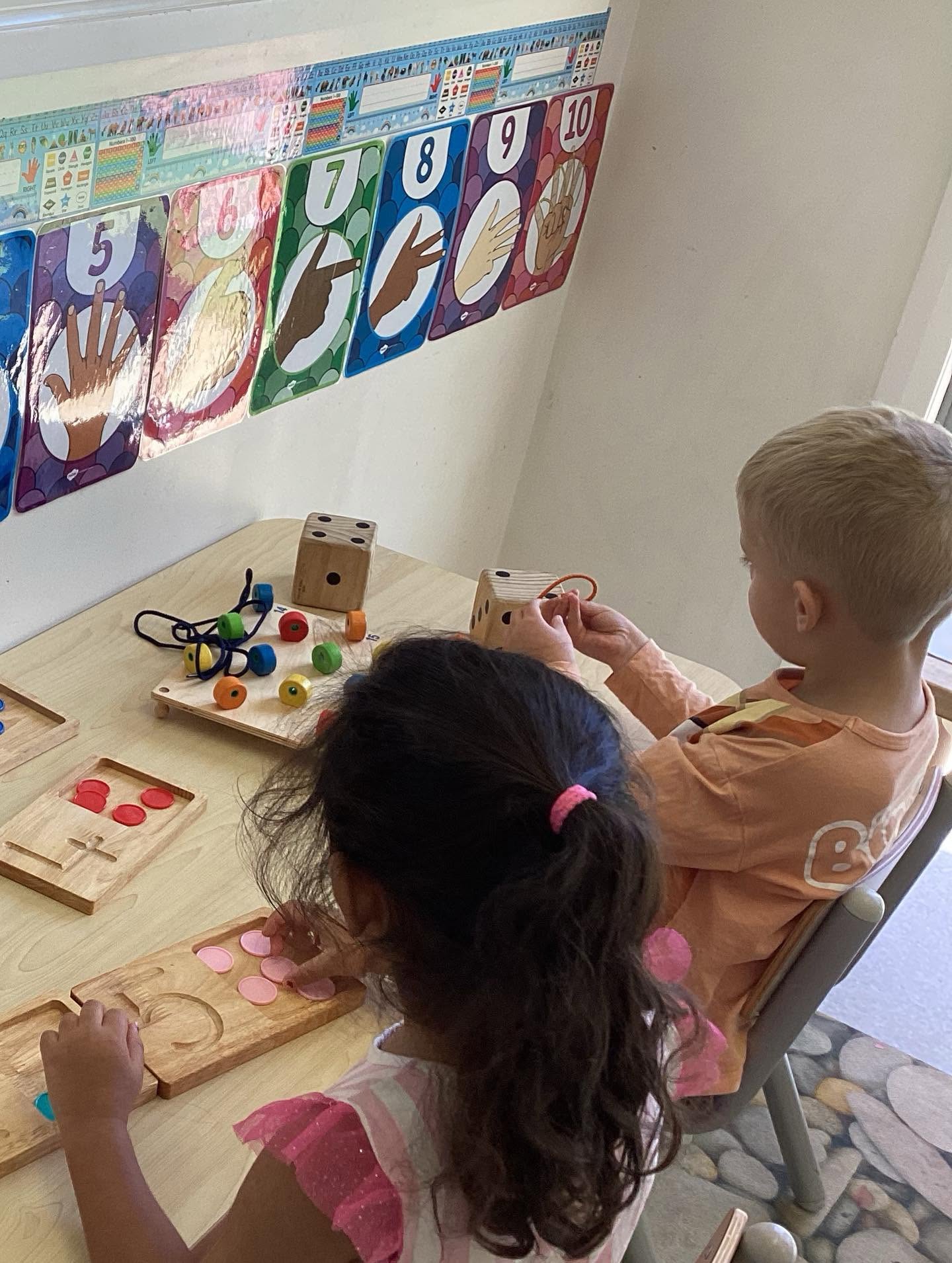
Challenging behaviour is often a form of communication. Toddlers are still learning how to express emotions, manage frustration and understand limits.
Why Toddler Behaviour Can Be Challenging
Toddlers are developing independence, curiosity and confidence at a remarkable pace.
While these qualities are important for learning, they can also lead to behaviours that test boundaries and challenge parents.
At this age, children often have strong feelings but limited language and emotional regulation skills to express them effectively.
Understanding Common Toddler Behaviours
Many behaviours that concern parents are actually normal parts of toddler development.
Children are learning about cause and effect, exploring their environment and discovering how their actions influence others.
Tantrums, resistance and strong opinions often emerge as toddlers develop a growing sense of independence.
Some common behaviours include:
- Tantrums when frustrated or overwhelmed
- Saying “no” frequently
- Difficulty sharing or taking turns
- Testing boundaries and rules
- Strong emotional reactions to change

How Positive Discipline for Toddlers Supports Learning
Positive discipline focuses on teaching rather than punishing.
The goal is to help children understand expectations while maintaining a strong and supportive relationship.
Clear guidance, consistency and empathy help toddlers learn appropriate behaviours over time.
Children respond best when adults remain calm and provide simple explanations that match their level of understanding.
Try describing the behaviour you want to see. Instead of saying “Don’t run,” try saying “Let’s use our walking feet inside.”
Practical Toddler Discipline Strategies for Parents
Small changes in everyday interactions can make a significant difference.
- Offer limited choices to encourage independence
- Use calm and consistent language
- Prepare children for transitions with advance warnings
- Praise positive behaviours when you notice them
- Keep expectations realistic for your child’s age
- Stay consistent with boundaries and routines
These approaches help children feel secure while learning important behavioural skills.
Managing Tantrums Calmly
Tantrums are often a sign that a toddler feels overwhelmed, frustrated or unable to communicate their needs.
Remaining calm and supportive can help children regain control of their emotions more quickly.
Once your child is calm, you can help them identify their feelings and discuss alternative ways to express themselves.
Building Positive Behaviour Over Time
Learning appropriate behaviour is a gradual process that takes patience, repetition and guidance.
Every interaction provides an opportunity to teach important social and emotional skills.
With consistent support, children develop self-control, resilience and confidence that will benefit them throughout childhood.
How Early Learning Environments Support Behaviour Development
Quality early learning programs use positive guidance techniques to help children build emotional regulation, communication and social skills.
Educators work closely with families to create consistent expectations that support children’s growth and development.
At Kidscape Early Learning, positive educational approaches help children learn important life skills while building strong and supportive relationships.
Discover Early Learning at Kidscape
If you are exploring childcare options for your family, visiting a centre can help you understand the environment, educators and learning programs available.
Kidscape Early Learning is now welcoming new families.
Find your nearest Kidscape centre and book a tour.
Frequently Asked Questions
What is the best way to discipline a toddler?
The most effective discipline approaches focus on teaching, consistency and positive guidance rather than punishment.
Why do toddlers have tantrums?
Tantrums often occur because toddlers are still developing emotional regulation and communication skills.
Should I give my toddler choices?
Yes. Offering simple choices can help children feel independent while reducing power struggles.
How can I reduce challenging behaviour?
Consistent routines, clear expectations and positive reinforcement can help reduce behavioural challenges over time.
Is testing boundaries normal for toddlers?
Yes. Boundary testing is a normal part of development as children learn about independence, relationships and the world around them.
